
How Design Shapes Our Experience
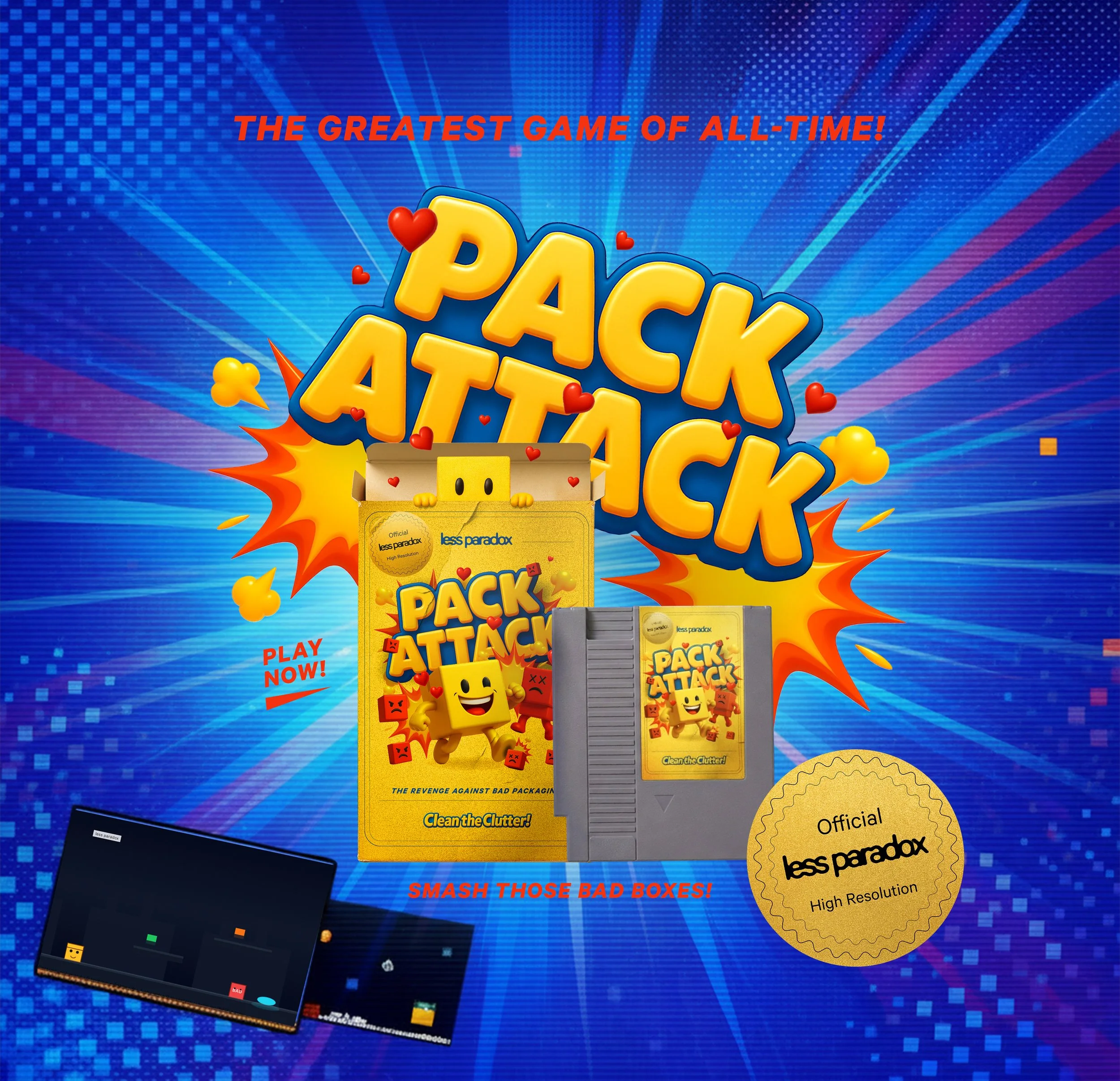
When I was young, I was that boy standing in front of a game-shop shelf full of video games just staring and amazed. There were no YouTube reviews, no online forums and no easy way to know which game was good or bad.
There was just packaging.And that was enough to convince me.
The box art guided my decision-making. I remember checking every detail. Was the main character cool? Were there explosions? Monsters? Something weird enough to make me curious? If the artwork felt exciting, then the game had to be exciting too?
Of course, once I got home and actually played, I quickly learned the truth. The graphics on the box almost never matched what was happening on screen. Often not even in the same universe. 😄 But it never bothered me.
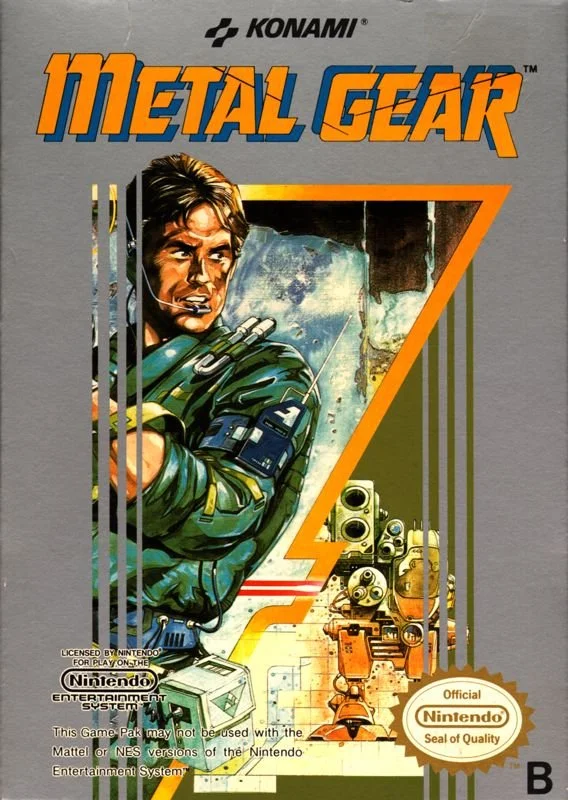
In a way, that gap between packaging and product made everything better. The box art pushed my imagination far beyond what the console could deliver. It turned buying a new game into a small adventure, even before the game touched the console. I still remember picking up the NES Metal Gear game. The cover showed this mysterious soldier and it looked exciting and serious, and I bought it without knowing much about it. The game was amazing and and it did not leave me disappointed.
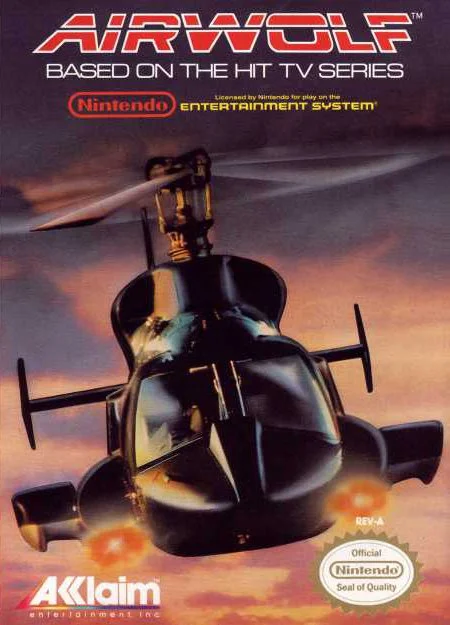
But of course, not every experience was good. I still remember buying the Airwolf game that looked incredible on the shelf, only to find out at home that it was really boring and wasn’t anything like the cover promised. It was disappointing, and it taught me that packaging can sometimes also fool us as much as it inspires us. Yet even after that, I never stopped trusting good design. It made me just a little more careful.
It shows something important: packaging shapes our perception more than we like to admit. Those old game covers were full of imagination. They did not try to show real screen graphics. They showed the dream and It became part of the game. It gave meaning to those pixel characters running across the screen. Even now, with all the information, technology, and knowledge available, we still choose with our eyes first. And I do not believe this is a weakness. I think it is human.
It also shows why packaging remains a brand’s most important medium when the product is sold in one. Just like those game covers, modern brands are not only selling a product; they are selling a feeling, a promise, an experience. Packaging shapes that expectation before anything else: it builds trust, sparks desire, and ultimately guides our choice. It isn’t decoration. It’s part of the story, part of the experience, and often the moment a brand becomes real.
Pack Attack-Game
If you're feeling brave, you can play the Pack Attack game underneath this article. That’s right, the masterpiece can now be played. Just remember: the packaging and ad may be the best part of the experience. Good luck out there. 😄
Heads up: the game is desktop-only, so you’ll need a computer to play it.